
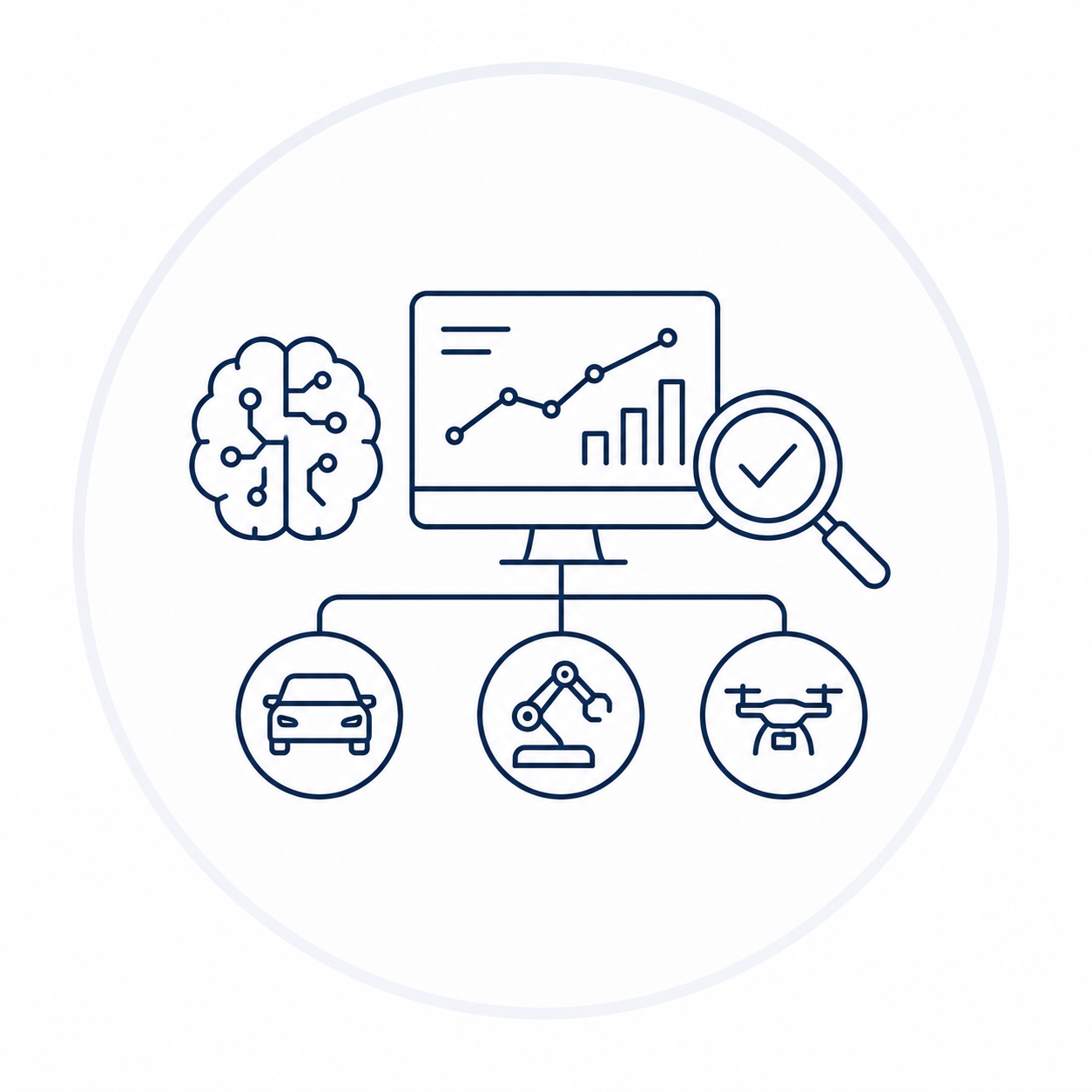
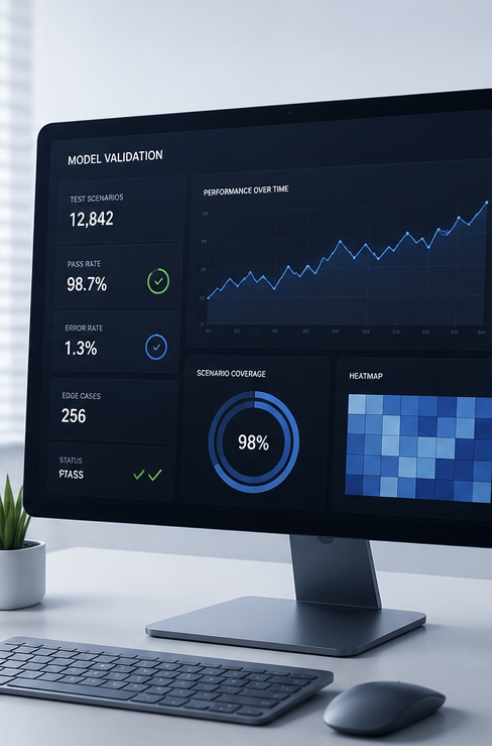
Reliable AI requires continuous validation across thousands of scenarios before deployment. Engineering teams must measure model accuracy, robustness, and decision-making under diverse operating conditions to ensure consistent performance in production.
The solution
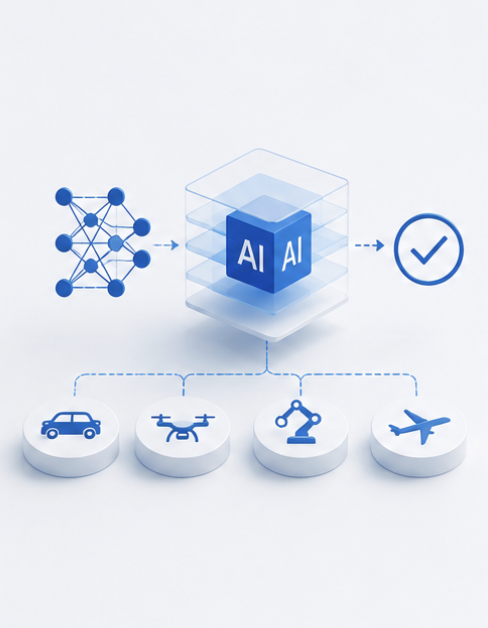
Genium develops software platforms that automate AI model validation using simulation environments, synthetic data, and scalable testing infrastructure.
-
Our engineering teams build validation pipelines, integrate simulation frameworks, automate performance benchmarking, and deliver cloud-native platforms that continuously evaluate AI models throughout the development lifecycle.

FAQs
Your top questions. Answered
Can Genium support defense and aerospace programs?
Yes. Our teams develop secure software, simulation platforms, cloud infrastructure and AI systems for complex, mission-critical environments. We also provide ITAR-certified engineering capabilities for eligible programs.
What types of Physical AI projects do you support?
We help organizations build autonomous systems, simulation platforms, robotics software, AI-powered operational systems, and cloud infrastructure that connects physical assets with intelligent software.
Do you build custom simulation platforms?
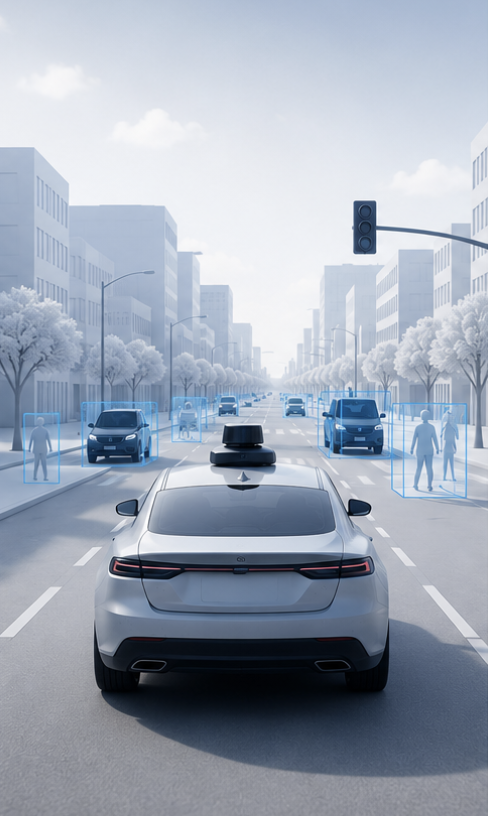
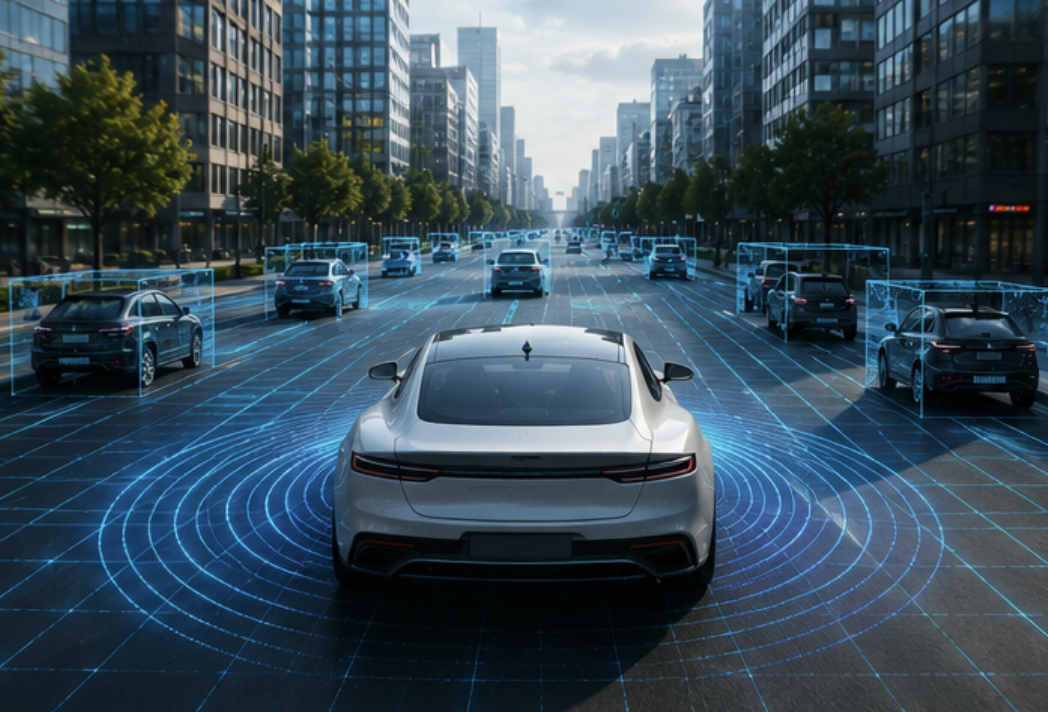
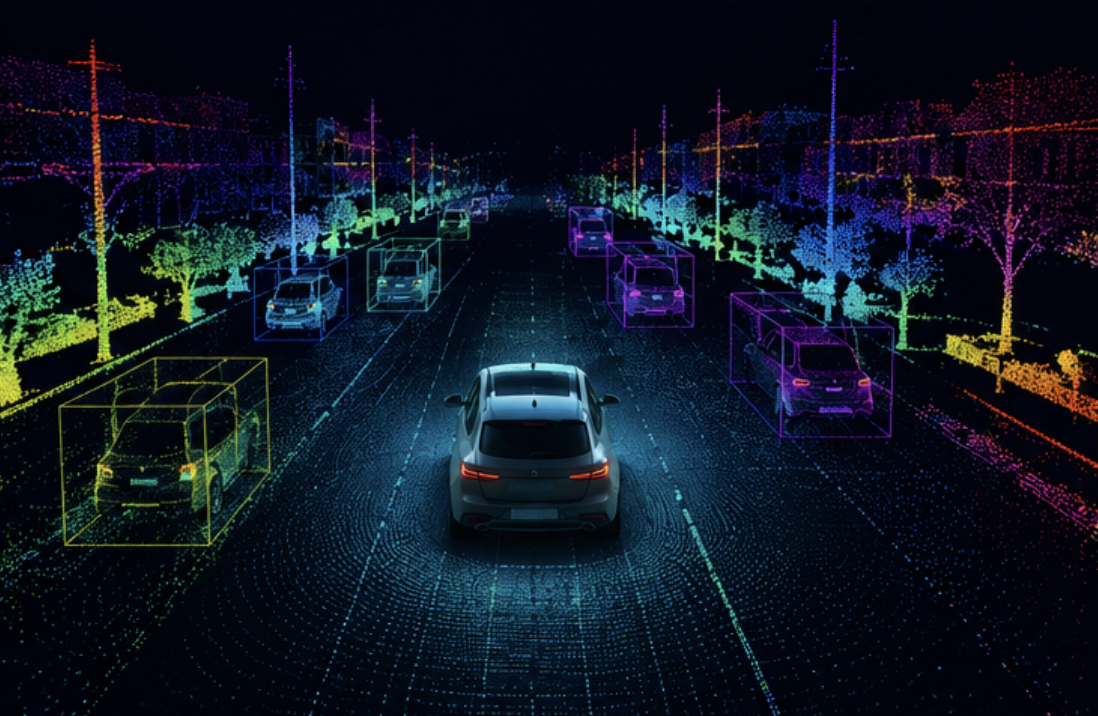
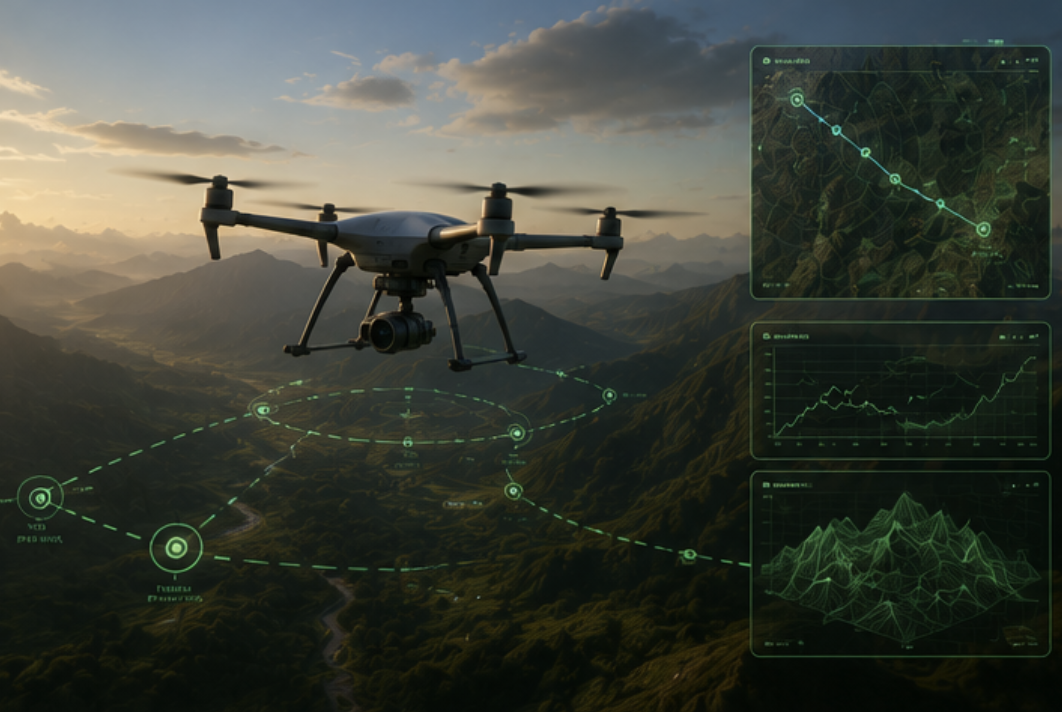
Yes. We develop simulation environments for autonomous vehicles, drones, robotics and AI model validation, including integrations with existing engineering tools and workflows.
Can Genium integrate with our existing technology stack?
Absolutely. Our engineers integrate with existing cloud platforms, embedded systems, APIs, sensors and enterprise applications while minimizing disruption to ongoing operations.
How does Genium support AI development?
We build the software infrastructure behind AI, including simulation environments, synthetic data pipelines, AI agents, cloud platforms and production deployment workflows.
Can Genium work in regulated environments?
Yes. Our teams have experience supporting organizations operating in regulated industries where security, reliability and compliance are critical requirements.
How quickly can a project get started?
Most engagements begin within a few weeks, depending on the scope, required expertise and onboarding requirements.
What engagement models does Genium offer?
We support dedicated engineering teams, project-based delivery and strategic technical consulting, depending on your objectives and timeline.
What is Physical AI?
Physical AI combines artificial intelligence with software that controls or assists real-world systems such as autonomous vehicles, drones, robots and industrial equipment. It relies on simulation, sensors, edge computing and cloud infrastructure to safely operate in physical environments.